Leading Rome top Patio Builder for patios pavers and outdoor enhancements
Why Go with a Expert Patio Builder for Your Desired Outdoor Space?
Choosing a professional outdoor builder can substantially shape the final result of an exterior space. Their competence ensures that design, construction, and local regulations are all skillfully handled. These specialists not only supervise demanding projects but also select resilient materials fitting for the climate. As the planning moves forward, property owners often ask themselves how these decisions will elevate their outdoor living enjoyment and additional article property's total market value. The results may astound them as they assess their choices.
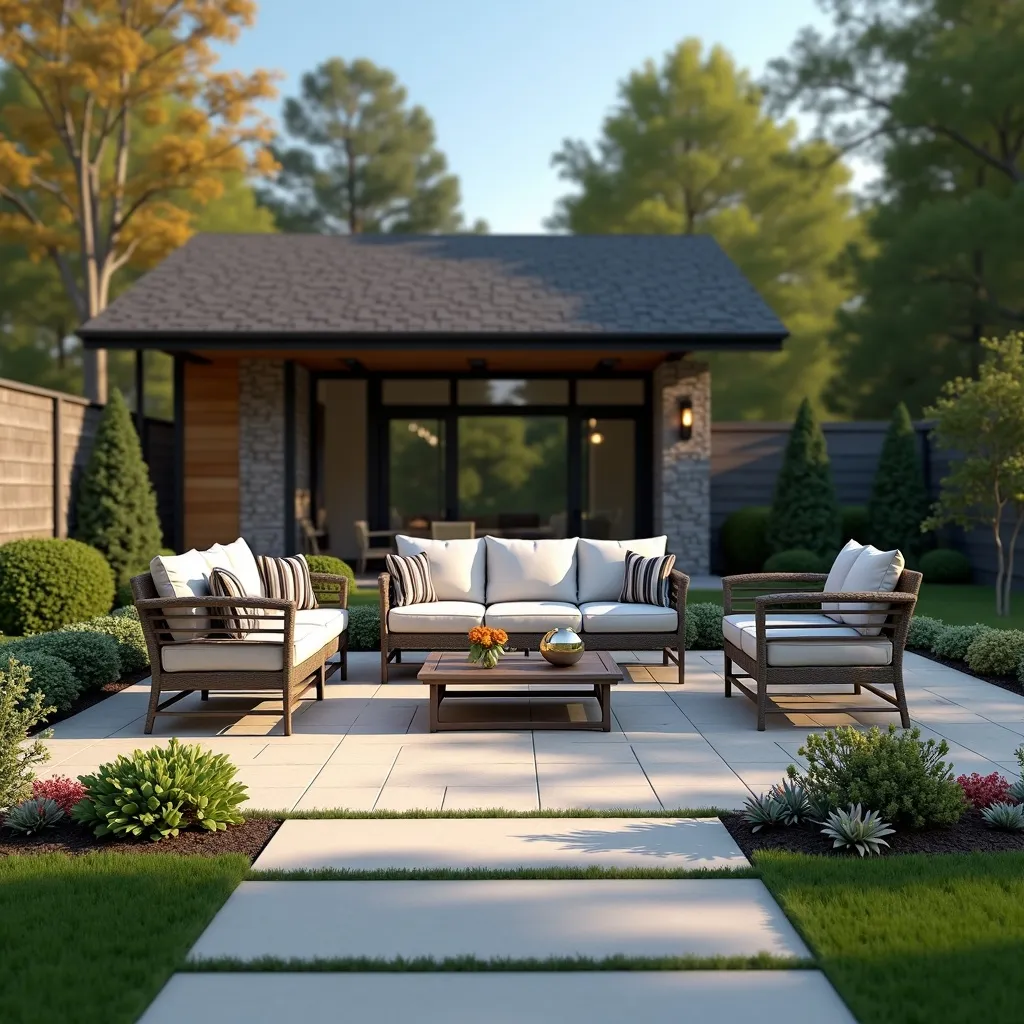
The Skill of Professional Patio Builders
Professional patio contractors provide a wealth of knowledge that converts outdoor spaces into functional and aesthetically pleasing areas. Their comprehensive background and skills enable them to assess site conditions, recommend suitable materials, and develop designs that complement existing landscapes.
By possessing expertise with local building codes and regulations, they guarantee adherence and safety in every project.
Furthermore, qualified builders are equipped with the right equipment and techniques to implement sophisticated designs adeptly. They recognize the nuances of moisture management, earth strength, and environmental factors, which are important for the enduring quality of a patio.
Their meticulous attention to detail and quality craftsmanship yields a completed project that enhances property value and usability. By engaging with clients, these professionals can tailor solutions that accommodate specific needs and preferences, ultimately delivering a personalized outdoor experience.
Choosing a skilled outdoor construction expert guarantees a smooth experience from initial idea to completion, backed by excellent craftsmanship and reliable support.
How to Establish Your Ideal Patio Layout
What are the best ways to create your dream patio aesthetic? First, people should assess their daily habits and how they plan to occupy the space. A family-centered design may incorporate areas for children to play, while an social space might focus on comfortable seating and leisure features.
Then, reviewing the existing landscape is critical; the patio should coordinate with the home and local surroundings.
Materials play a key role in design, and selecting options that complement personal taste and durability is essential. One should also reflect on aesthetics, examining colors, textures, and patterns that will create a cohesive look.
In the end, it's advisable to source design ideas from different sources, such as home improvement websites or social media platforms. By organizing images and ideas, individuals can establish a vision board that effectively communicates their goal, promoting a more effective collaboration with a professional patio builder.
What You Have to Understand About Local Regulations?
Navigating through local regulations is crucial when designing a patio undertaking. Homeowners must comprehend zoning requirements, which determine where buildings can be built on their property. These regulations vary notably by area and can affect the size, height, and placement of a patio.
Building permits might need to be obtained, and the application process can involve submitting detailed plans for approval.
Moreover, property owners should recognize setback requirements, which define the spacing a patio must maintain from property lines or existing structures. Local construction codes also regulate safety requirements, guaranteeing the patio is built to withstand environmental factors.
Inability to comply with these regulations can result in fines or the requirement to dismantle the patio. Utilizing a expert patio builder can streamline this process, as they are skilled in applicable laws and can validate that the development adheres to all vital guidelines.
Opting for Robust and Engaging Materials
When choosing materials for a patio, resilience and aesthetic appeal are essential considerations.
Homeowners ought to weigh not only the durability and upkeep needs of various options but also how these materials shape the overall design.
Additionally, budget-friendly options can enhance both performance and visual appeal while staying within budget.
Material Durability and Maintenance
Selecting the best materials for a patio not only enhances its visual charm but also affects its lifespan and maintenance simplicity. Durable options, such as natural stone, concrete, or high-quality pavers, endure multiple weather conditions, decreasing the need for frequent repairs.
In addition, selecting stain-resistant stains, mold, and fading can substantially lower regular upkeep requirements. For example, sealed concrete can supply a enduring surface with minimal upkeep, while certain composite materials can replicate wood without the threat of deterioration.
In the end, putting money into resilient materials can produce substantial cost reductions over time, as they enhance a patio that stays functional and appealing for years to come, reducing the need for replacements or extensive maintenance.
Aesthetic Quality and Composition
How can a patio's design blend with its surroundings while preserving durability? Choosing the right components is essential for attaining both visual beauty and structural integrity.
Professional patio contractors often recommend stone materials like granite or slate, which not only complement various outdoor settings but also endure harsh weather conditions. Additionally, composite materials offer an attractive, minimal upkeep alternative that mimics the appearance of wood without the susceptibility to rot.
Color palettes and finishes must align with the home's structure and the surrounding environment, producing a integrated look. Incorporating motifs or unique design elements can elevate the overall appeal, ensuring the patio functions as a highlight.
Ultimately, a well-designed patio improves outdoor living while standing the test of time.
Cost-Efficient Component Options
While managing budget constraints and decorative preferences, homeowners reap rewards by looking into a range of inexpensive alternatives for their patios.
Options such as stamped concrete and pavers provide durability and visual appeal without excessive spending. Stamped concrete can replicate stone finishes or ceramic tile, offering a stylish look at a fraction of the cost.
Pavers, available in multiple colors and forms, allow for imaginative patterns and simple repairs. Furthermore, composite deck materials presents a minimal-upkeep alternative to conventional wood, withstanding rot and discoloration over time.
Preserving Time and Reducing Anxiety With Professional Assistance
A professional patio builder can significantly expedite the construction process, easing the burdens typically associated with home improvement projects. By tapping into their experience, homeowners can prevent the common pitfalls of DIY endeavors, such as miscalculations or delays.
Professional builders come equipped with the necessary skills, tools, and knowledge to execute the project efficiently, guaranteeing a timely completion.
Furthermore, these experts manage all logistical aspects, such as permits, inspections, and scheduling, which can be daunting for an untrained individual. This management significantly reduces stress, enabling homeowners to focus on other obligations.
Additionally, with a experienced professional leading the way, potential tensions with subcontractors or suppliers are diminished, further enhancing the experience.
Ultimately, engaging a professional patio contractor not only saves time but also provides peace of mind, transforming the patio vision into reality without the associated hassle of do-it-yourself projects.
Enhance Your Home's Value With a Made-to-Order Patio
A personalized patio not only enhances the outdoor appearance but also enhances the overall value of a home. Potential buyers frequently look for properties featuring practical outdoor areas, with a strategically planned patio being a major selling point. By using quality materials alongside unique design elements, homeowners can establish an inviting atmosphere that appeals to a broad spectrum of buyers.
Moreover, a personalized outdoor deck can expand the functional living space, making it perfect for hosting visitors or savoring quiet evenings outdoors. This additional space substantially boosts the home's total square footage, which can be a major consideration in property assessments.
Investing in a skilled outdoor construction expert guarantees that the project achieves high standards of workmanship and durability, additionally improving the patio's appeal.
In essence, a consciously planned patio not only enriches daily routines but also denotes a strategic financial commitment that can bring substantial profits when the home is sold.
Best Practices for Keeping Your New Patio
Upkeeping a new patio is essential for safeguarding its appearance and lasting quality.
Developing a routine cleaning protocol and introducing seasonal maintenance guidelines can help verify it stays in peak condition.
Maintain a Consistent Housekeeping Plan
Creating a consistent cleaning plan is vital for maintaining the beauty and longevity of a new patio. Consistent care helps remove dirt, leaves, and debris that can gather progressively, potentially leading to stains or damage.
A weekly inspection helps homeowners to address small problems before they get worse. This includes clearing debris and spraying down the area to prevent grime buildup.
For more detailed care, a deep clean every few months is suggested, using suitable cleaning agents suited to the patio material.
Additionally, regularly applying sealants can protect against weathering and stains. By establishing a regular cleaning schedule, homeowners can ensure their outdoor space stays appealing and usable for years to come.
Seasonal Service Recommendations
Patios present a stunning outdoor space, but periodic upkeep is indispensable for ensuring their longevity and aesthetics. Homeowners should initiate by checking the patio for damage or wear, addressing issues quickly to prevent further deterioration.
In spring, a comprehensive clean, such as power washing, removes dirt and debris, while sealing surfaces safeguards against moisture. During summer, frequent sweeping and targeted cleaning maintain the area appealing.
When autumn approaches, clearing fallen leaves is essential to prevent mold and mildew buildup. Winter maintenance includes clearing snow and ice to avoid deterioration from freeze-thaw processes.
Often Asked Inquiries
What Timeframe Do You Usually Require to Create a Patio?
Usually, constructing a patio takes several days to two weeks, contingent on factors like size, supplies, and ground conditions. Climate and project intricacy can also impact the timeline considerably.
What Warranties Will Licensed Building Professionals Provide for Their Work?
Professional builders typically offer warranties spanning between one to five years, covering workmanship and materials. These guarantees offer homeowners with assurance, ensuring that any issues stemming from the construction will be handled promptly.
Can I Personalize My Patio Layout Throughout Construction?
Yes, a homeowner can customize their patio design during construction. Professional builders typically work closely with clients, allowing modifications to layouts, materials, and features to guarantee the final product meets the homeowner's goals and requirements.
What might I manage if I held a limited Budget?
To structure a constrained budget, one should highlight essential features, survey budget-friendly materials, and assess staged building. Speaking with a professional can also furnish insights on strengthening returns while maintaining budget limits.
Do weather-related considerations matter to patio construction?
Seasonal considerations for patio construction encompass weather conditions, material availability, and temperature variations. Spring and early fall are ideal for installation, while summer heat and winter frost can hinder progress and impact material integrity.